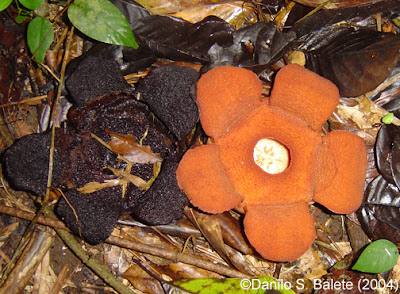
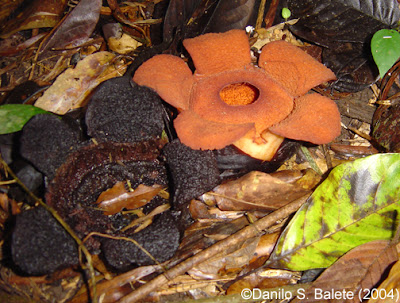
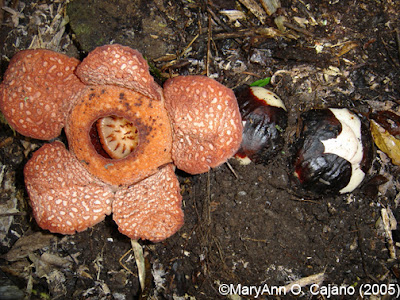
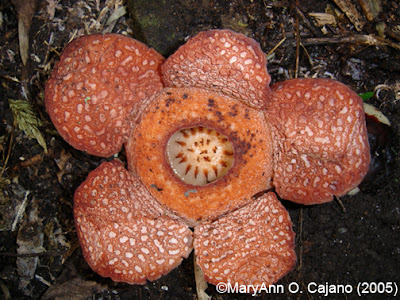
Showing posts with label rafflesia. Show all posts

Prof. Dr. Kamarudin Mat-Salleh

Prof. Dr. Kamarudin Mat-Salleh
Profesor Taksonomi dan Sistematik Tumbuhan

Di lahirkan di Tanah Merah,Kelantan pada 17 April 1959, Prof Dr Kamarudin memdapat pendidikan asas di SekolahKebangsaan Tanah Merah (1966-1972) dan Sekolah Menengah Tanah Merah (1973-1974), sebelum dihantar ke Sekolah Menengah Sains Kelantan, Pengkalan Chepa (sekarang SekMen Sains Faris Petra)(1975-1976) dan Sekolah Menengah Alam Shah (1977).Mendapat ijazah SmSn Kep. (Botani) dari Universiti Kebangsaan Malaysia, KualaLumpur (1982), M.Sc: dalam bidang taksonomi tumbuhan dariUniversity of Aberdeen, Scotland (1985) dan Ph.D di dalam Botani Sistematikdari Michigan State University, East Lansing, Michigan (1992), beliau merupakansalah seorang pakar taksonomi dan sistematik tumbuhan di Asia Tenggara danmenjadi pakar kepada taksonomi dan biologi Rafflesia,bunga terbesar didunia. Beliau merupakan ketua ekspedisi ke Trus Madi Sabahpada tahun 1989 dimana penemuan spesies baru Rafflesia telah direkodkan danbertanggung jawab sebagai autoriti spesies yang dinamakan Rafflesia tengku-adlinii, spesies Rafflesia yang pertama dinamakansebagai penghormatan kepada pembesar tempatan. Beliau juga merupakan bekasPengerusi JK Penyelidikan dan Pemuliharaan Rafflesia Sabah diakhir 1990an yangtelah menjadi tulang belakang kepada promosi Rafflesia sebagai simboleko-pelancongan dan pemuliharaan sehingga ia menjadi terkenal pada hari ini.Buku beliau Magnificent Rafflesia ofSabah adalah buku pertama mengenai Rafflesiayang pernah diterbitkan.

Dengan kepakaran beliau tentang Rafflesia, Prof Kamarudin selalu dijemput untuk menjalankankerjalapangan dan memberikan pandangan mengenai penerbitan spesies baru Rafflesia di Filipina, Thailand danIndonesia. Makmal penyelidikan Taksonomi dan Sistematik Tumbuhan di PusatPengajian Sains Sekitaran dan Sumber Alam UKM mempunyai ramai pelajar dari AsiaTenggara yang menjalankan kajian tumbuhan Malesia. Pada tahun 2006, beliau danpelajar beliau telah menerbitkan satu lagi spesies baru yang dinamakan Rafflesia bengkuluensis dari Sumatera dan satu lagi spesies akan diperkenalkan dari Aceh. Beliau juga sedang menyediakanPelanPengurusan dan Pemuliharaan Rafflesia di Semenanjng Malaysia dan SemakanPerundangan mengenai Perlindungan Rafflesia di Malaysia yang diminta oleh Jabatan Perhutanan Semenanjung Malaysia. Pada masa ini Prof Kamarudin jugamenjadi peneraju kepada weblog Rafflesia-in-Bloom yang menjadisumber rujukan kepada penggemar Rafflesia di Asia Tenggara. tahun 2006.

Selain dari Rafflesia, ProfKamarudin juga menjadi pakar kepada famili Annonaceae atau Mempisang dan telahmenerbitkan banyak makalah dan monograf. Famili ini merupakan salah satu famili tumbuhanyang penting. Pada akhir tahun 1990an beliau juga menjadi pengelola kepadapengkalan-pengkalan data tumbuhan di Malaysia di dalam portal MalaysiaBiodiversity Online. Ini termasuklah Turner’s Checklist of Vascular Plants of the MalayPeninsular, Burkill’s Dictionary dan Integrated Checklist of Malaysia Plants.Atas kepakaran ini, beliau telah diminta oleh MOSTI (pada masa itu MOSTE) untukmenyediakan buku Tumbuhan Ubatan Malaysia yangtelah mengumpulkan maklumat kesemua 916 spesies tumbuhan bernilai ubatan diMalaysia dan berjaya diterbitkan pada tahun 2002. Beliau juga menjadi perundingtaksonomi kepada penerbitan 2002 spesies di dalam buku Compendium of Medicinal Plants Usedin Malaysia terbitan Instutute of Medical Research.

Prof Kamarudin telah menjalankan kajian di dalam 21program penyelidikan di UKM, di mana beliau menjadi ketua kepada 8 daripadaprogram tersebut. Beliau juga telah 13 pelajar siswazah dan 62 tesis pelajar pra-siswazah.Setakat ini beliau telah menerbitkan 5 buku, 17 bab dalam buku, 33 kertaspenyelidikan di dalam jurnal, 70 kerta kerja teknikal mengenai sistematikAnnonaceae, Simaroubaceae, dan Rafflesia; etnobotani dan flora tumbuhan ubatanMalaysia, informatik biodiversiti dan pemuliharaan tumbuhan Malesia.

http://kms.drkms.com/index.php?pr=Siapa_Pakdin

Kapan di temukannya Rafflesia Patma Pertamakali?

Minggu, 29 Oktober 2006
http://www.republika.co.id/kirim_berita.asp?id=269814&kat_id=298&edisi=Cetak
Bunga Rafflesia
( )

Nama genusnya Rafflesia, diambilkan dari penemunya, TS Raffles. Ini bunga terbesar di dunia. Baunya busuk menyengat, menyerupai bau busuk bangkai ular. Lalat bangkai dan kumbang tertarik oleh bau bunga ini. Selain itu, seranggga itu mungkin juga tertarik oleh warnanya yang merah cerah, bertotol-totol putih seperti luka bernanah. Bentuknya seperti kawah. Dari jarak jauh, bau bunga ini sudah tercium, sehingga mendorong lalat mendatanginya, masuk ke dalam bunga dan melumuri punggungnya dengan serbuk sari. Bunga ini menghasilkan serbuk sari yang kental, dan semakin kental jika dibawa keluar oleh serangga, sehingga menjadi tahan lama.

Bunga ini mempunyai lima daun bunga, diameter ada yang mencapai 106 cm, diameter terkecil R manillana, hanya 20 cm. Berat, ada yang mencapai 11 kg (yaitu spesies R arnoldii). Rafflesia hidup sebagai parasit di tumbuyhan merambar, tetrastigma. Ada 15-19 spesies bunga Rafflesia

Rafflesia patma hidup di dataran rendah pantai selatan Jawa Barat dan Jawa Tengah. Rafflesia patma ditemukan pertama kali pada 1825 di Nusa Kambangan, Jawa Tengah. Sedangkan Rafflesia rochussenii ditemukan di pegunungan Jawa Barat. Di Bengkulu, Sumatra, ditemukan juga bunga Rafflesia, yaitu Rafflesia arnoldii ini. Inilah spesies pertama yang ditemukan pada 1818 oleh TS Raffles dan Dr Joseph Arnold, di Bengkulu. Diameternya mencapai 97 cm.

Di Malaysia bisa ditemukan tujuh spesies, dan lima di antaranya hanya ada di Malaysia. Orang Malaysia menyebut bunga ini sebagai bunga padma. di Indonesia ada yang menyebutnya sebagai bunga bangkai. Padahal yang dimaksud bunga bangkai bukan bunga ini. Bunga bangkai yang dimaksud adalah bunga yang berbahasa Latin Amorphopallus.

Spesies yang ada di Malaysia yaitu Rafflesia cantleyi dan Rafflesia kerrii, ditemukan di Peninsular, Rafflesia arnoldii, Rafflesia pricei, Rafflesia keithii, Rafflesia tuan-mudae, dan Rafflesia tengku-adlinii ditemukan di Sarawak dan Sabah. Rafflesia kerrii, Rafflesia keithi, Rafflesia tuan-mudae, dan Rafflesia tengku-adlinii merupakan spesies endemik di Malaysia.

Di Jawa dan Sumatra, bunga ini hidup di ketinggian 500-700 meter dai permukaan laut. Bunganya berkembang selama 5-6 hari lalu layu. Bunga yangmati akan jatuh menimpa dirinya sendiri, berubah menjadi hitam sampai biji matang di dalamnya. Binatang seperti gajah dan tupai membantu distribusi biji bunga Rafflesia ini. Kuku atapun cakarnya binatang ini membantu biji Rafflesia masuk ke tetrastigma kemudian tumbuh di tumbuhan merambat itu.

Pada 1924, kebun Raya Bogor berhasil menanam biji Rafflesia rochussenii di tetrastigma, dan 4,5 tahun kemudian berbunga. Rafflesia dikenal sebagai bunga yang tak bertangkai, tak berdaun, dan tak berakar dengan benar. i atumbuh dalam pembuluh batang tetrastigma di sela-sela batang, terbentuk kuncup, dan setelah 18 bulan mekar menjadi bunga. Enam bulan setelah mekar, matanglah bijinya.

Rafflesia dapat berkembang di kawasan hutan yang banyak tumbuhan rambat tetrastigma, banyak binatang yang bisa menyebarkan bijinya ke tumbuhan tetrastigma. Di perlukan juga banyak binatang mikro yang dapat menginfeksi akar tumbuhan tetrastigma itu. Dibutuhkan pula populasi mamalia yang besar sehingga ketika mamalia mati menyediakan tempat berkembang serangga penyebar biji Rafflesia.

Rafflesia - the Biggest Flower


Photo Information
Copyright: James Parker (Jamesp) Gold Star Critiquer/Gold Note Writer [C: 929 W: 0 N: 3054] (9184)
Genre: Plants
Medium: Color
Date Taken: 2001-03
Categories: Flowers
Camera: Canon EOS 1vHS, Canon 24-70 mm f 2,8 L-USM
Photo Version: Original Version
Date Submitted: 2007-02-24 11:12


I have decided to post a flower today.

The Rafflesia is the world's biggest flower - some specimens are over a meter in diameter (this one was about 90cm). They are found in peninsula Malaysia, Sumatra, Java, Borneo and the southern Philippines in rainforest habitat.

The flowers take about 10 months to develop from the woody, parasitic vine. The buds swell until they reach the size of a large cabbage or football and then open - but only last for 3 days. The flowers give off the smell of rotting meat to attract the flies which pollinate them.

There are 17 species of Rafflesia - this is one of the biggest - Keithii. The name Rafflesia come from Sir Stamford Raffles who gave his name to them and to the Raffles Hotel in Singapore.

There is no flowering season - you just have to be lucky - I was - there were two in flower on my visit and they were both quite close to the park HQ.

This is a scanned slide. As usual I didn't use a tripod (I am really bad about that) and I do not think I used a flash.

Sarawak, Gunung Gading National Park

Sweet Rafflesia

Sweet Rafflesia

Rafflesia and my Dedication

Rafflesia and my Dedication

5°58' 22" N, 116°4' 03" E
I dream to see this typical flower for long time. Never think that I would succeed in Kotakinabalu, the state of Malaysia in Borneo Island.

It's a kind of strange flower that bloom only 7 days directly from bud. Buds are on ground collect food for 6-7 months. It's noticed that these buds mostly found near to grape-like plant. In Kotakinabalu there is a research
Center for Rafflesia but the research lab is very big - in the true forest. At present, Rafflesia can only natural planted by NATURE.

As I go to research center so I didn't prepare for mountain hiking before. We had a forest man as a guide and climbed downhill for 45 minutes and slope was more steep till it was difficult to stand. We walked through the path full of moss and fern, moisted air and sound of stream flow nearer. I tried not to ask when we will reach it. I was soaking with sweat. Then the guide stopped suddenly and said it's was there on the left side. Even with 400 mm zoom len but it was there with dense plants around, so we walked carefully along the contour line to see it closely. The steep slope that we couldnot stand upright at all.

We had to pressed our foot firmly on ground not slipping down and grasp branches along the way.

Till we meet her near, sweat got into my eyes, with one hand grasped the instable branches and I passed my camera for my friend who stood in the position that could use two hands taking photo.

We were so near that we could touch. This type is small size and nmo bad smell. I didn't know I should glad or sad to find her instead of the huge size with bad smell, its reputation. However I found she was so lovely.

A flower growing out from small bud and blossom only a week. We met her on her sixth day. I touched her very lightly. Never think that I could go into jungle to find her family again any second time.

After that we climbed up for 1.30 hrs, more difficult with slope that's steeper than 45 degree for almost half way. I stopped to rest and drink water several times and said I could not make it any more. I need longer stop but we didn't want to waste the time of the forestry guide, so I tried harder. Even I felt I was biten by something on my leg but we didn't stop. I said maybe insect or snake, small and sudden pain for some seconds.

Its not a kind of normal trekking route but I go down into the rain forest chasm. Route seemed never-ending for me. Climbing up fast used lots of energy and I totally soaked with sweat like bathing. I said to my friend, this trip is specially dedeicated to her - the Rafflesia and I will never forget her and this route.

Till I could make it. We reached the top then I found my blue jean was filled with blood. we were biten by leech. It's my first time biten by leech. Normally I could feel the moment it will be bite and I get it out before. This time I felt before but I couldn't find a place to stop on that slope. Anyway glad to be biten, I wanted to know how to be biten by leech and never dare to.
So I conclude that

"This is just for her... I do for her...the Rafflesia. I will never forget you"

Borneo island is a very tropical rainforest location. Its average rainfall is 4000 mm a year and there are so many typical plants and animals there, one in the world. However rafflesia is found many locations around southeast Asia. In the south of Thailand, it is found too but I came to see this in Borneo island.

Location :
downhill forest
near to Rafflesia Research Center
Kotakinabalu, Borneo Island
Malaysia

http://www.flickr.com/photos/araleya/265624334/

la rafflésia

la rafflésia
333 agrandir

Rafflesia est un genre de plante parasite de vigne du genre Tetrastigma des régions tropicales. Cette plante est retrouvée dans la péninsule malaise, à Bornéo, Sumatra, en Malaisie péninsulaire et aux Philippines. Elle ne possède ni tige, ni feuille, ni racine, mais une fleur actinomorphe à cinq pétales.

C'est la fleur la plus grande du monde végétal. Chez certaines espèces comme Rafflesia arnoldii elle peut atteindre un mètre de diamètre et peser jusqu'à 10 kg. chez des espèces plus petites comme Rafflesia manillana, la fleur présente un diamètre de 20 cm. La pollinisation est assurée par des mouches attirées par l'odeur fétide dégagée par la fleur.

La Rafflesia ne possède pas de chlorophylle et est incapable de photosynthèse. Elle dépend donc totalement de la plante qu'elle parasite. Lors de leur cycle de développement, elles vivent à l'intérieur de leur hôte sous formes de filaments. Ce n'est qu'au cours de leur floraison qu'elles sont visibles extérieurement. Son mode de vie est ainsi comparable à celui d'un champignon.

La Rafflésie a été découverte en 1818 dans une forêt tropicale d’Indonésie par le botaniste Joseph Arnold et nommé par Sir Thomas Stamford Raffles, le chef de l’expédition.

Bien qu'on la classait jusqu'à présent dans la famille des Rafflesiaceae, des études récentes portant sur 11500 paires de bases du génome de la plante la rapprochent des Euphorbiaceae desquelles elle se serait différenciée il y a 46 millions d'années.

Rafflesia arnoldii, ou lys parasite nauséabond, est un membre du genre Rafflesia. Si l’inflorescence de l'Arum titan est la plus grande fleur du monde, c’est Rafflesia arnoldii qui présente la plus grande fleur simple. Elle peut en effet atteindre un mètre de diamètre et peser jusqu'à 10 kg. Cette plante est rencontré dans les forêts humides à Sumatra, Bornéo et en Indonésie. La Rafflésie est une plante parasite qui s’accroche aux lianes de vigne du genre Tetrastigma.
L’odeur de pourri dégagée par la fleur attire des insectes comme la mouche
Chrysomyia megacephala qui permet la pollinisation des fleurs.


http://reports.travel.ru/reports/2007/260307_5.html

From Photographer Julian W


Name: Julian W.
Type of photographer: Professional
Equipment: Sony Alpha 100, Hasselblad Xpan-II, Nikon D2X, F5 and F100

Spanning about a meter across, the Rafflesia is the largest flower in the world. I employed a low-angle approach which made it more "interpersonal" with the subject and used a wide-angle lens to frame this shot.
Equipment: Nikon F100 with 18-35mm lens; Fujifilm Velvia ISO 50; F11 at 4 seconds


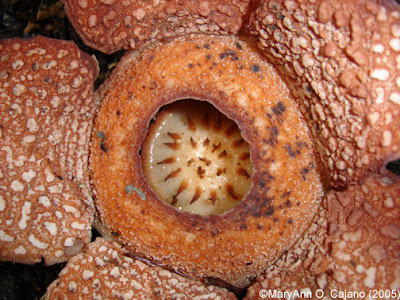
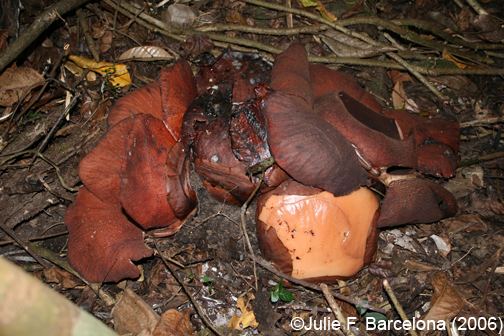
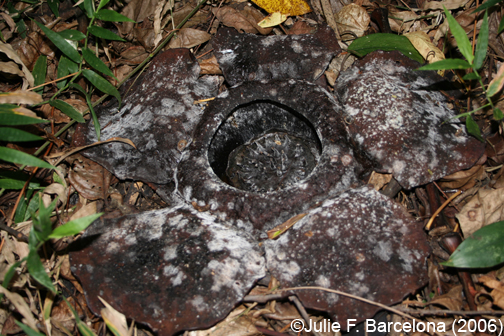
Photo of Rafflesia sp

Rafflesia sp. (LUZON)


Rafflesia sp. (LUZON)


Photo of Rafflesia Baletei

R. baletei (LUZON)

R. baletei (LUZON)

R. baletei (LUZON)


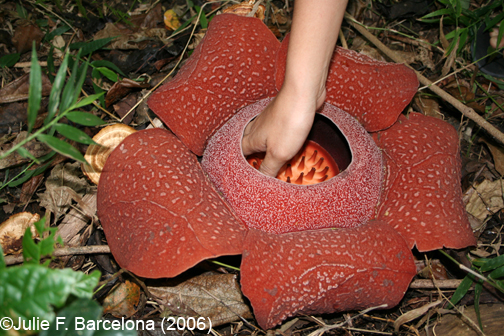
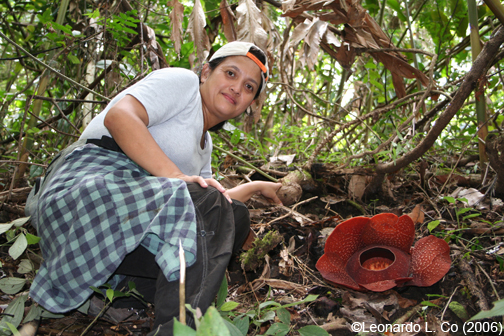
Photo of Rafflesia Speciosa

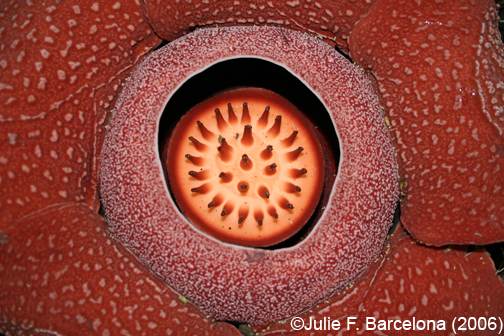
R. speciosa (Antique Prov., PANAY I.)


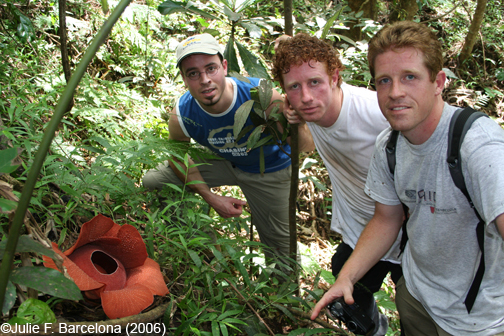
Julie F. Barcelona w/ R. speciosa (Antique, PANAY I.)

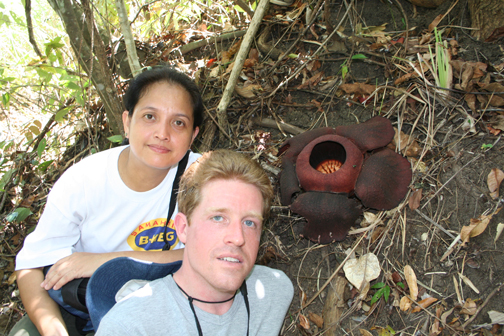
Julie & Pieter with R. speciosa (Antique Prov., Panay I., 2006)


The Pelser brothers w/ R. speciosa (Antique Prov., Panay I., 2006))

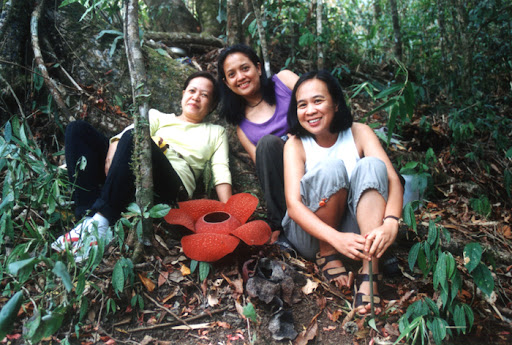
The Antique Outdoor (TAO) members, discovered R. speciosa in 2001


R. speciosa (Antique Prov., PANAY I.)

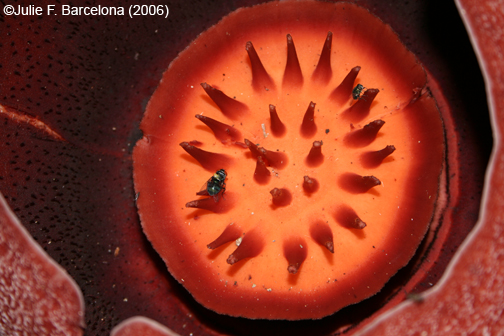
R. speciosa pollinator with pollen on the back

R. speciosa (Antique Prov., PANAY I.)

R. speciosa (Antique Prov., PANAY I.)

R. speciosa (Antique Prov., PANAY I.)

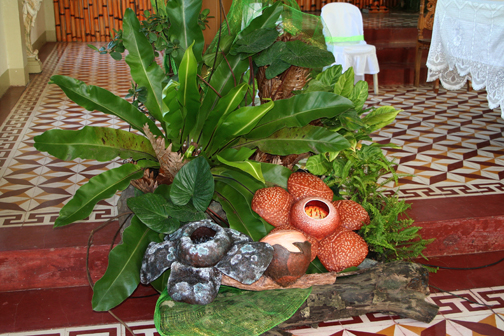
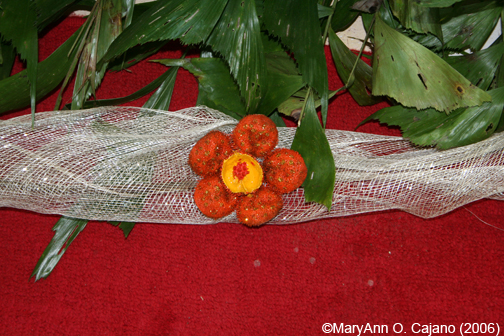
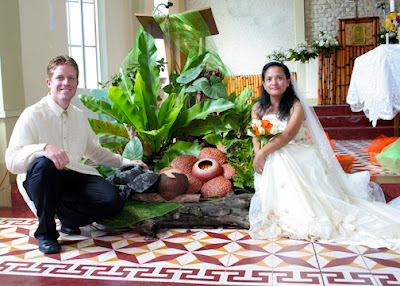
R. speciosa at the altar (Pelser & Barcelona Nuptial, 23 Dec. 2006)

R. speciosa? along the church aisle (Pelser & Barcelona Nuptial, 23 Dec. 2006)

R. speciosa at the pulpit (Pelser & Barcelona Nuptial, 23 Dec. 2006


http://picasaweb.google.com/barceljf/PhilippineRafflesia/photo#5063496425263599330


Related Posts Plugin for WordPress, Blogger...